
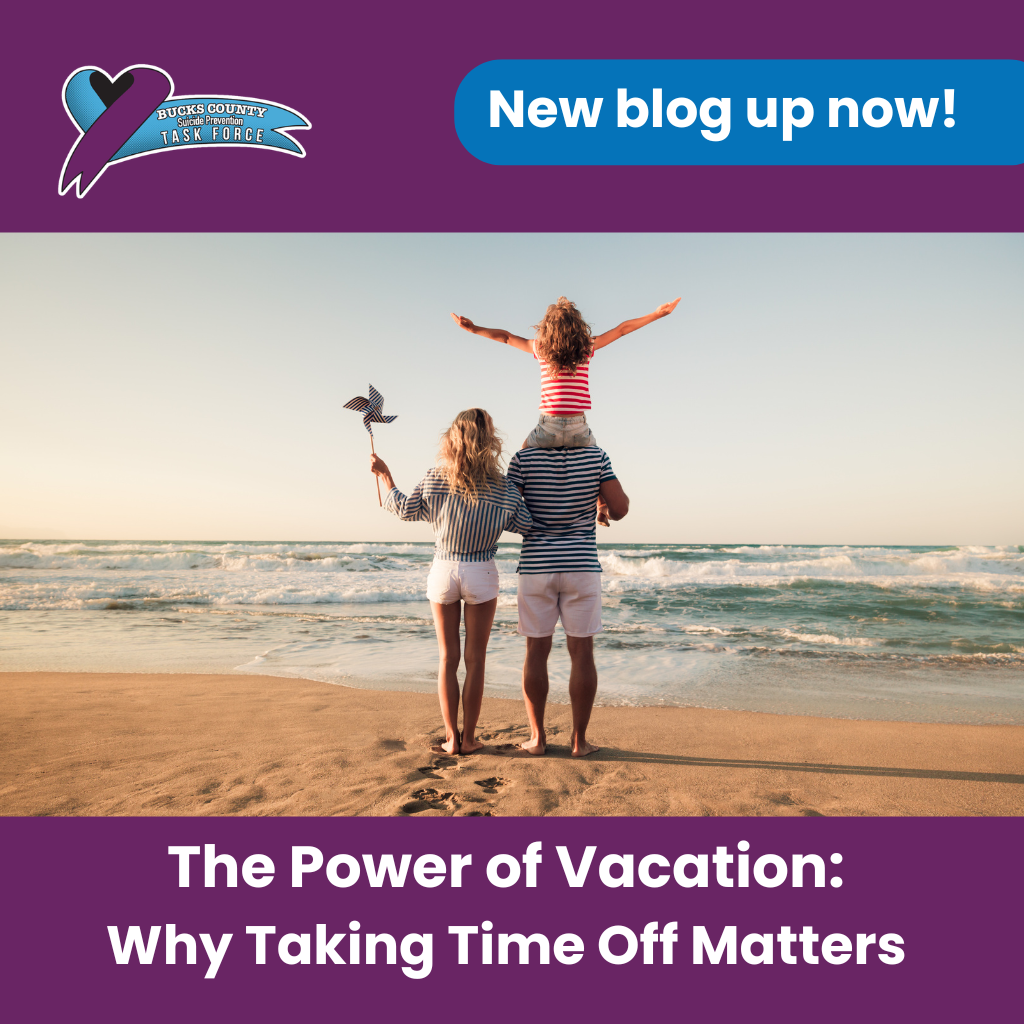
In a world that celebrates busy schedules and constant productivity, taking a vacation can sometimes feel like a luxury instead of a necessity. Many people postpone using their vacation days, believing work responsibilities are too important or that they’ll fall behind if they step away. However, research and experience tell a different story: taking regular time off is one of the healthiest investments you can make in your mental well-being.
Vacations provide more than a break from work, they give your mind and body the opportunity to rest, recharge, and reconnect with the people and activities that bring you joy. Whether it’s a week at the beach, a camping trip, a staycation, or simply unplugging from daily responsibilities, time away can have lasting benefits for your emotional health.
Stress Doesn’t Take a Vacation Unless You Do
Daily responsibilities can quietly build stress over time. Deadlines, meetings, family obligations, financial concerns, and endless notifications can leave you feeling mentally exhausted.
When stress becomes chronic, it affects more than your mood. It can contribute to anxiety, irritability, sleep problems, difficulty concentrating, and even physical health issues such as headaches, digestive problems, and high blood pressure.
Taking time away interrupts that cycle. A vacation allows your nervous system to slow down, giving your brain a chance to recover from the constant demands of everyday life.
Even a few days away from your regular routine can help lower stress levels and improve your overall outlook.
Rest Improves Emotional Well-Being
Mental health isn’t just about avoiding burnout, it’s about creating opportunities to experience positive emotions.
Vacations often allow us to:
- Laugh more
- Spend meaningful time with loved ones
- Explore new places
- Enjoy hobbies
- Sleep more consistently
- Spend time outdoors
- Slow our pace
These experiences increase positive emotions and help replenish emotional energy that may have been depleted by work and daily responsibilities.
Many people notice they return home feeling calmer, happier, and more optimistic than when they left.
Better Sleep Leads to Better Mental Health
One of the first improvements many people notice while on vacation is better sleep.
Without early alarms, late-night work emails, or packed schedules, it’s easier to establish healthier sleep patterns.
Quality sleep plays a major role in emotional regulation, memory, concentration, and resilience. When we’re well rested, we’re better equipped to handle challenges and less likely to become overwhelmed by everyday stressors.
Even if your vacation doesn’t completely eliminate stress, additional sleep alone can provide meaningful mental health benefits.
Vacations Help Prevent Burnout
Burnout develops gradually. It often begins with chronic stress and eventually leads to emotional exhaustion, reduced motivation, and feelings of cynicism or detachment.
Many professionals mistakenly believe pushing through burnout demonstrates dedication. However, burnout often decreases productivity, creativity, and job satisfaction.
Regular vacations act as a reset button.
Stepping away from work allows your mind to recover before stress reaches unhealthy levels. Returning refreshed often improves focus, decision-making, and problem-solving abilities.
Ironically, taking time off can make you more productive, not less.
Time Away Encourages Perspective
When we’re caught in the routines of everyday life, small problems can begin to feel overwhelming.
Changing your environment, even temporarily, helps create mental distance from daily pressures.
Whether you’re hiking through nature, visiting family, exploring a new city, or relaxing in your backyard, stepping outside your normal routine allows you to view challenges with fresh eyes.
Many people return from vacation with new ideas, renewed motivation, and greater confidence in handling issues that once felt stressful.
Sometimes the best solution begins with simply taking a break.
Strengthening Relationships Supports Mental Wellness
Healthy relationships are one of the strongest protective factors for mental health.
Vacations create opportunities to reconnect with spouses, children, relatives, and friends without the constant distractions of work and household responsibilities.
Shared experiences like watching a sunset, playing games, trying new foods, or taking a road trip can build memories that strengthen emotional bonds.
Even solo vacations can improve relationships by allowing individuals to return home feeling more patient, present, and emotionally available.
You Don’t Need an Expensive Getaway
One common misconception is that vacations must involve expensive flights or luxury resorts.
The true benefit comes from disconnecting from everyday stress, not from the destination itself.
Consider alternatives such as:
- Exploring nearby parks or hiking trails
- Renting a cabin for a weekend
- Visiting family or close friends
- Taking a road trip
- Enjoying a staycation with planned activities
- Spending a day at a local beach or lake
- Turning off work notifications for several days
The goal is to create intentional time for rest, enjoyment, and renewal.
Disconnecting from Technology Matters
Many people bring work with them on vacation through smartphones and laptops.
Checking emails, responding to messages, or attending virtual meetings limits the restorative effects of time away.
Whenever possible, establish healthy boundaries before your vacation begins.
Let coworkers know you’ll be unavailable, set an out-of-office email response, and limit social media use if it contributes to stress or comparison.
Being fully present allows your mind to experience genuine relaxation instead of remaining partially engaged in work.
Planning Ahead Reduces Vacation Stress
Ironically, vacations themselves can become stressful without preparation.
Before leaving:
- Finish high-priority tasks
- Delegate responsibilities when possible
- Create an out-of-office message
- Prepare travel documents in advance
- Pack early instead of waiting until the last minute
- Set realistic expectations for your itinerary
Avoid over-scheduling every moment. Leave room for spontaneity, rest, and quiet moments.
A balanced vacation often feels far more restorative than one packed with nonstop activities.
Bringing Vacation Benefits Home
The positive effects of vacation don’t have to disappear once you unpack your suitcase.
Consider incorporating vacation habits into everyday life by:
- Scheduling regular walks outdoors
- Protecting time with family and friends
- Prioritizing hobbies
- Maintaining healthy sleep routines
- Practicing mindfulness or meditation
- Setting boundaries around work hours
- Planning smaller breaks throughout the year
Small changes can help preserve the sense of calm and balance you experienced while away.
Knowing When You Need More Than a Vacation
Although vacations can significantly improve mental well-being, they are not a cure for every mental health concern.
If feelings of anxiety, depression, hopelessness, or overwhelming stress continue long after returning home, it may be helpful to seek support from a licensed mental health professional. Therapy can provide practical tools, coping strategies, and a safe space to address challenges that time away alone cannot resolve.
Seeking help is a sign of strength, not weakness, and taking care of your mental health is just as important as caring for your physical health.
Make Time Off Part of Your Wellness Plan
Vacations are more than a reward for working hard, they’re an essential part of maintaining a healthy, balanced life. Taking time away from daily demands allows your mind to recharge, your body to recover, and your relationships to flourish. Whether your getaway lasts a weekend or two weeks, the benefits can extend well beyond your return. Remember, your most valuable asset isn’t your to-do list—it’s your health.
If you are looking for additional mental health support for yourself or a loved one, you can contact the National Suicide & Crisis Lifeline 24/7 at 988 Text. Find more local resources on our website at https://holdonyoumatter.com/suicide-prevention-resources/.