
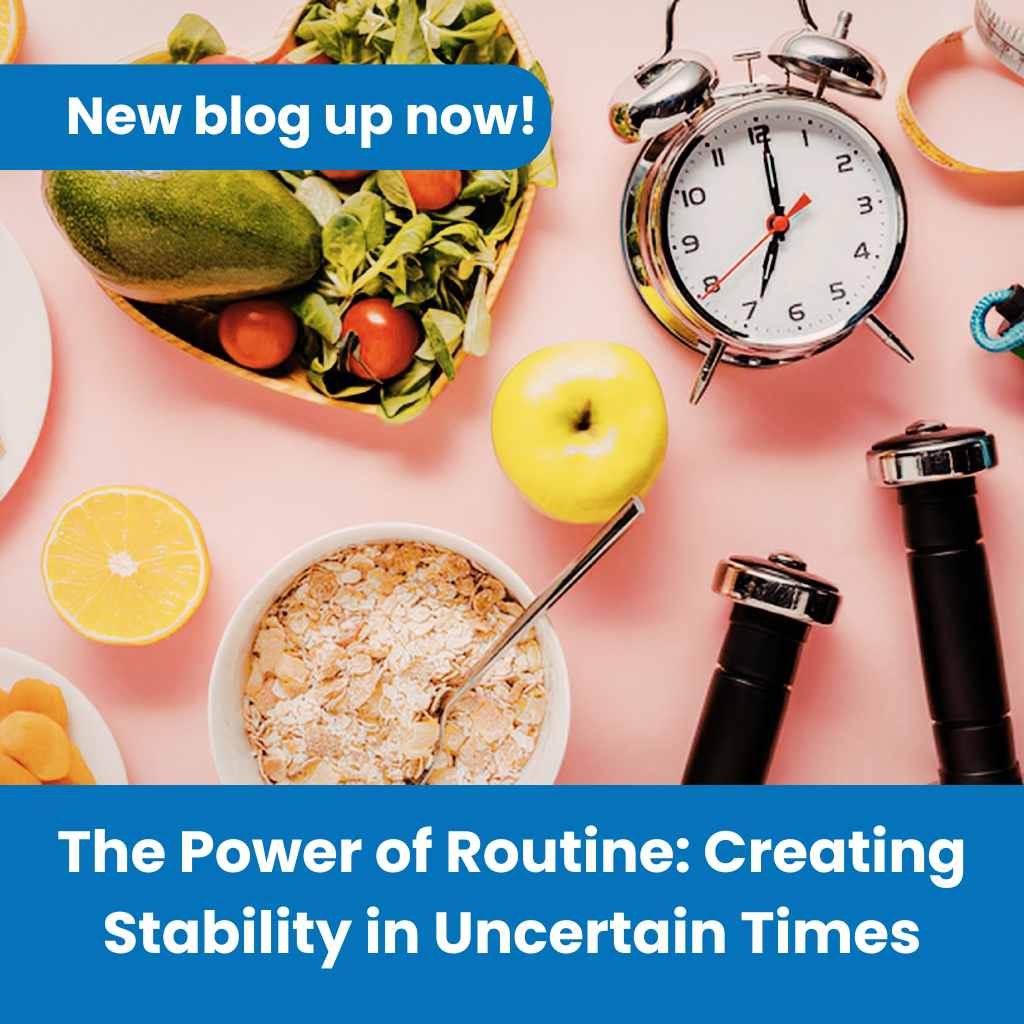
In a world that often feels unpredictable, routines can become powerful anchors. Whether facing personal challenges, global uncertainty, or everyday stress, having a consistent structure to your day can provide a sense of control, calm, and clarity. For many people, routine isn’t about rigidity, it’s about creating a reliable foundation that supports mental and emotional well-being.
At its core, routine offers something we all need: stability in the midst of change.
Why Routine Matters for Mental Health
When life feels uncertain, our minds naturally try to make sense of what’s happening. Without structure, this can lead to overthinking, anxiety, and a sense of overwhelm. A daily routine helps counteract this by introducing predictability.
Routines can:
- Reduce decision-fatigue by minimizing the number of choices you need to make
- Create a sense of normalcy during times of disruption
- Provide small, achievable goals that build momentum
- Support emotional regulation by grounding your day
Even simple habits like waking up at the same time or taking a daily walk can signal safety and consistency to your brain.
Routine as a Source of Control
Uncertainty often brings a feeling of lost control. While we can’t always change external circumstances, we can influence how we move through our day. A routine allows you to reclaim that sense of agency.
For example, setting aside time each morning for a quiet cup of coffee, journaling, or stretching creates a predictable starting point. These small acts become steady markers, reminding you that even when the world feels chaotic, you still have control over your immediate environment.
This sense of control can significantly reduce anxiety and help you feel more grounded.
Building a Routine That Works for You
There’s no one-size-fits-all approach to routine. The most effective routines are flexible, realistic, and aligned with your lifestyle.
Start small. Instead of overhauling your entire day, choose a few key anchor points:
- A consistent wake-up and bedtime
- Regular mealtimes
- Dedicated work or focus blocks
- Time for rest and relaxation
Think of these as “bookends” to your day. Once they’re in place, you can gradually build around them.
It’s also important to be honest about your energy levels. A routine that looks perfect on paper won’t be sustainable if it doesn’t match your real-life capacity.
The Role of Morning and Evening Rituals
How you begin and end your day can shape your overall well-being.
Morning routines set the tone. Starting your day with intention rather than immediately diving into stress or distractions can help you feel more centered and prepared.
Consider incorporating:
- Gentle movement or stretching
- A few minutes of mindfulness or deep breathing
- A moment to set an intention for the day
Evening routines help you wind down and signal to your body that it’s time to rest.
Try:
- Limiting screen time before bed
- Reflecting on the day (what went well, what you’re grateful for)
- Creating a calming environment with dim lighting or quiet activities
These rituals don’t need to be lengthy to be effective. Consistency is what makes them powerful.
Routine and Resilience
Routines don’t just create stability, they also build resilience.
When you have a structure in place, it becomes easier to navigate difficult days. You don’t have to rely solely on motivation or willpower because your routine carries you forward.
For instance, if you’re feeling low or overwhelmed, having a pre-established habit of going for a short walk or checking in with a friend can provide a gentle nudge toward positive action.
Over time, these repeated behaviors strengthen your ability to cope with stress and adapt to change.
Avoiding the Pitfall of Perfection
One common misconception is that routines must be followed perfectly to be effective. In reality, flexibility is key.
Life happens. Plans change. Energy fluctuates.
Missing a step in your routine doesn’t mean you’ve failed—it simply means you’re human.
Instead of striving for perfection, focus on consistency over time. Think of your routine as a guide, not a rigid rulebook. Allow it to evolve with your needs and circumstances.
Incorporating Joy and Connection
A routine shouldn’t feel like a checklist of obligations. It should also include moments of joy and connection.
Make space for:
- Activities you genuinely enjoy
- Time with friends or loved ones
- Creative outlets or hobbies
These elements are essential for emotional well-being. They remind you that your routine isn’t just about productivity, it’s about living a balanced and meaningful life.
When Routine Feels Hard to Maintain
There may be times when even simple routines feel difficult, especially during periods of depression, anxiety, or high stress.
If this happens, start with the smallest possible step.
- Get out of bed at the same time each day
- Drink a glass of water in the morning
- Step outside for a few minutes of fresh air
These small actions can create a ripple effect. As you begin to regain a sense of structure, you can gradually add more elements back into your day.
And remember, it’s okay to ask for support. Whether it’s a friend, therapist, or support group, you don’t have to build your routine alone.
Creating Stability, One Day at a Time
In uncertain times, it’s easy to feel untethered. But routine offers a way to gently ground yourself, one day at a time.
It’s not about controlling everything, it’s about creating small pockets of predictability that help you feel safe, supported, and capable.
By building a routine that works for you, you’re not just organizing your day, you’re strengthening your mental and emotional foundation.
The power of routine lies in its simplicity. It doesn’t require perfection or complexity, just consistency and intention.
Start where you are.
Keep it manageable.
Allow it to grow with you.
Over time, these small, steady habits can create a profound sense of stability, even when the world around you feels anything but certain. Because sometimes, the most powerful thing you can do is return to what grounds you—and begin again.
If you are looking for additional mental health support for yourself or a loved one, you can contact the National Suicide & Crisis Lifeline 24/7 at 988 Text. Find more local resources on our website at https://holdonyoumatter.com/suicide-prevention-resources/.