
Social media has become a major part of daily life for children and teens. From connecting with friends to watching videos, sharing experiences, and discovering trends, online platforms can offer entertainment, creativity, and community. But alongside those benefits are growing concerns about how social media affects mental health, especially for young people still developing emotionally and socially.
For parents, understanding both the positive and negative effects of social media is essential. The goal is not necessarily to eliminate technology, but to help children develop healthy, balanced habits that support emotional well-being.
The Positive Side of Social Media
Social media is not entirely harmful. In fact, it can provide several meaningful benefits when used responsibly.
Many young people use social platforms to:
- Stay connected with friends and family
- Explore hobbies and creative interests
- Find supportive communities
- Express themselves through art, writing, music, or video
- Learn about current events and important causes
For teens who feel isolated or struggle to find peers with shared experiences, online communities can provide encouragement and a sense of belonging. Positive online interactions can help build confidence and connection.
However, balance and guidance are critical because social media also presents challenges that can negatively impact mental health.
The Mental Health Risks Parents Should Watch For
Comparison and Self-Esteem Issues:
Social media often highlights carefully edited and filtered versions of people’s lives. Constant exposure to “perfect” images, lifestyles, and achievements can lead children and teens to compare themselves unfairly to others.
This comparison can contribute to:
- Low self-esteem
- Body image concerns
- Feelings of inadequacy
- Anxiety about appearance or popularity
Young people may begin to measure their worth by likes, followers, or online validation rather than real-life relationships and accomplishments.
Increased Anxiety and Stress
Many children feel pressure to stay constantly connected online. Fear of missing out, often called FOMO, can create stress when they see others attending events, hanging out with friends, or appearing happier than they feel.
Notifications, messages, and social pressure can also make it difficult for kids to mentally “switch off,” contributing to anxiety and emotional exhaustion.
Cyberbullying
Unlike traditional bullying, cyberbullying can happen anytime and anywhere. Hurtful comments, rumors, exclusion, or harassment online can deeply affect a child’s mental health.
Cyberbullying may lead to:
- Depression
- Anxiety
- Withdrawal from family and friends
- Academic struggles
- Sleep problems
- Feelings of hopelessness
Parents should take online bullying seriously and encourage open communication if problems arise.
Sleep Disruption
Late-night scrolling, videos, gaming, and notifications can interfere with healthy sleep habits. Sleep is critical for emotional regulation, learning, and mental health—especially for growing children and teens.
Poor sleep linked to excessive screen time may increase:
- Irritability
- Mood swings
- Difficulty concentrating
- Anxiety and depression symptoms
Creating healthy nighttime boundaries around devices can significantly improve overall wellness.
Signs Social Media May Be Affecting Mental Health
Parents should pay attention to behavioral or emotional changes that may signal unhealthy social media use.
Possible warning signs include:
- Increased sadness or irritability after being online
- Obsession with likes, followers, or appearance
- Withdrawal from family activities or hobbies
- Trouble sleeping
- Sudden secrecy about online activity
- Declining grades or focus
- Increased anxiety or emotional sensitivity
- Loss of confidence or self-worth
While these signs do not always point directly to social media, they can indicate a need for conversation and support.
How Parents Can Help Create Healthy Social Media Habits
Keep Communication Open:
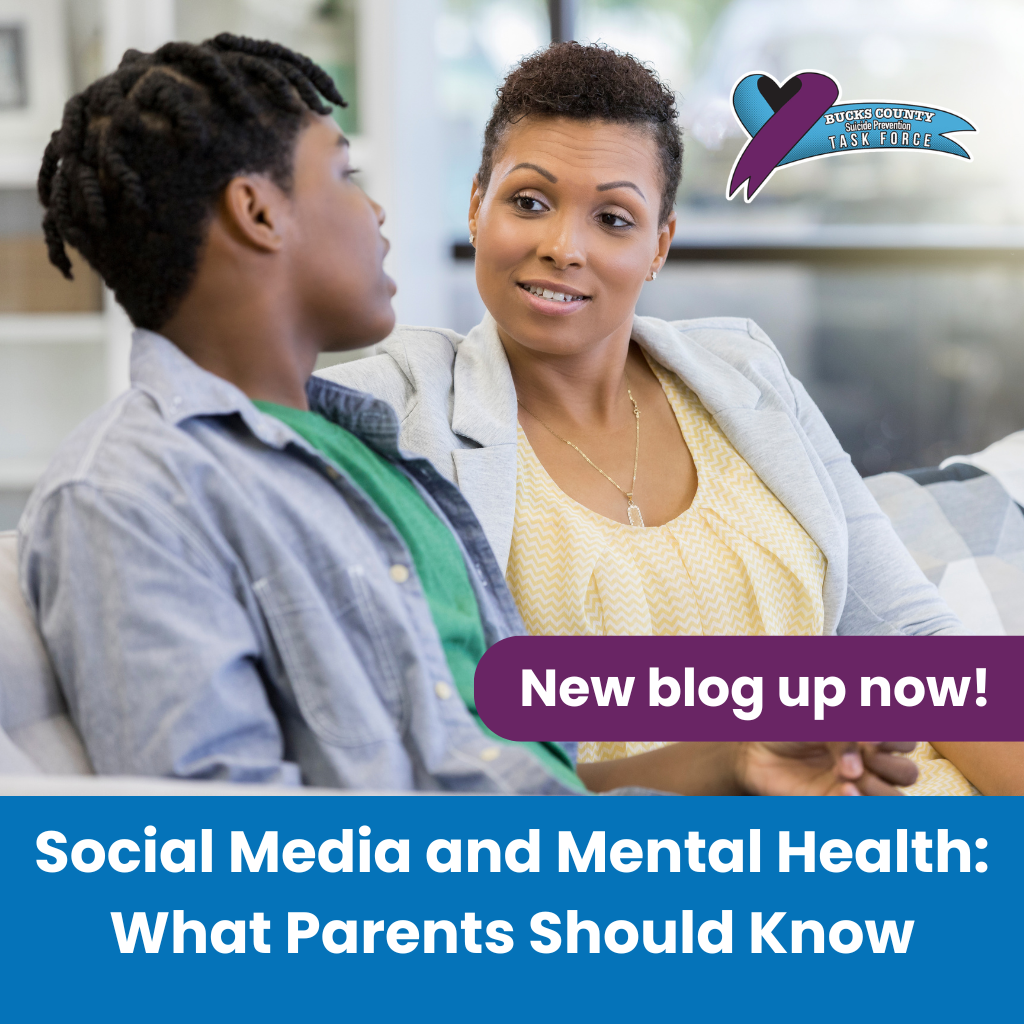
One of the most important things parents can do is create a safe, judgment-free environment for conversations. Children are more likely to share concerns when they feel heard instead of feeling like they are being punished.
Ask questions like:
- “How does social media make you feel?”
- “What do you enjoy most online?”
- “Have you ever seen something upsetting?”
- “Do you feel pressure to keep up with others online?”
Regular discussions build trust and help parents stay aware of challenges before they grow larger.
Teach Critical Thinking
Help children understand that social media rarely reflects reality. Influencers, celebrities, and peers often post curated highlights, not everyday struggles.
Teaching kids to question unrealistic standards can reduce harmful comparison and strengthen self-confidence.
Set Healthy Boundaries
Balanced screen time is important for mental wellness. Consider creating family guidelines around:
- Screen-free meals
- Device-free bedrooms at night
- Time limits for social media use
- Scheduled breaks from screens
- Prioritizing offline activities
Boundaries work best when parents model healthy habits too.
Encourage Offline Connections
Face-to-face relationships remain essential for emotional health. Encourage activities that build confidence and connection outside the digital world, such as:
- Sports
- Clubs
- Reading
- Art or music
- Outdoor activities
- Volunteer work
- Family time
Offline experiences help children develop identity, resilience, and social skills beyond online validation.
Monitor Without Overcontrolling
Younger children may need more supervision online, while older teens benefit from increasing independence paired with guidance. Parents should stay informed about the apps and platforms their children use while respecting age-appropriate privacy.
The goal is guidance and support, not fear or constant surveillance.
When to Seek Additional Support
If social media use appears to be contributing to serious anxiety, depression, self-harm thoughts, or emotional withdrawal, professional support may be helpful. Mental health counselors, pediatricians, and school support staff can provide valuable guidance for both parents and children.
Seeking help early can make a significant difference.
Social media is likely to remain a major part of modern childhood and adolescence. While it can offer creativity, connection, and learning opportunities, it also presents emotional challenges that parents cannot ignore.
The key is not simply limiting technology, but teaching children how to use it in healthy, balanced ways. Open communication, realistic expectations, healthy boundaries, and strong offline connections can help protect mental well-being in an increasingly digital world.
When parents stay involved, informed, and supportive, children are better equipped to navigate social media with confidence, resilience, and emotional awareness.
If you are looking for additional mental health support for yourself or a loved one, you can contact the National Suicide & Crisis Lifeline 24/7 at 988 Text. Find more local resources on our website at https://holdonyoumatter.com/suicide-prevention-resources/.