
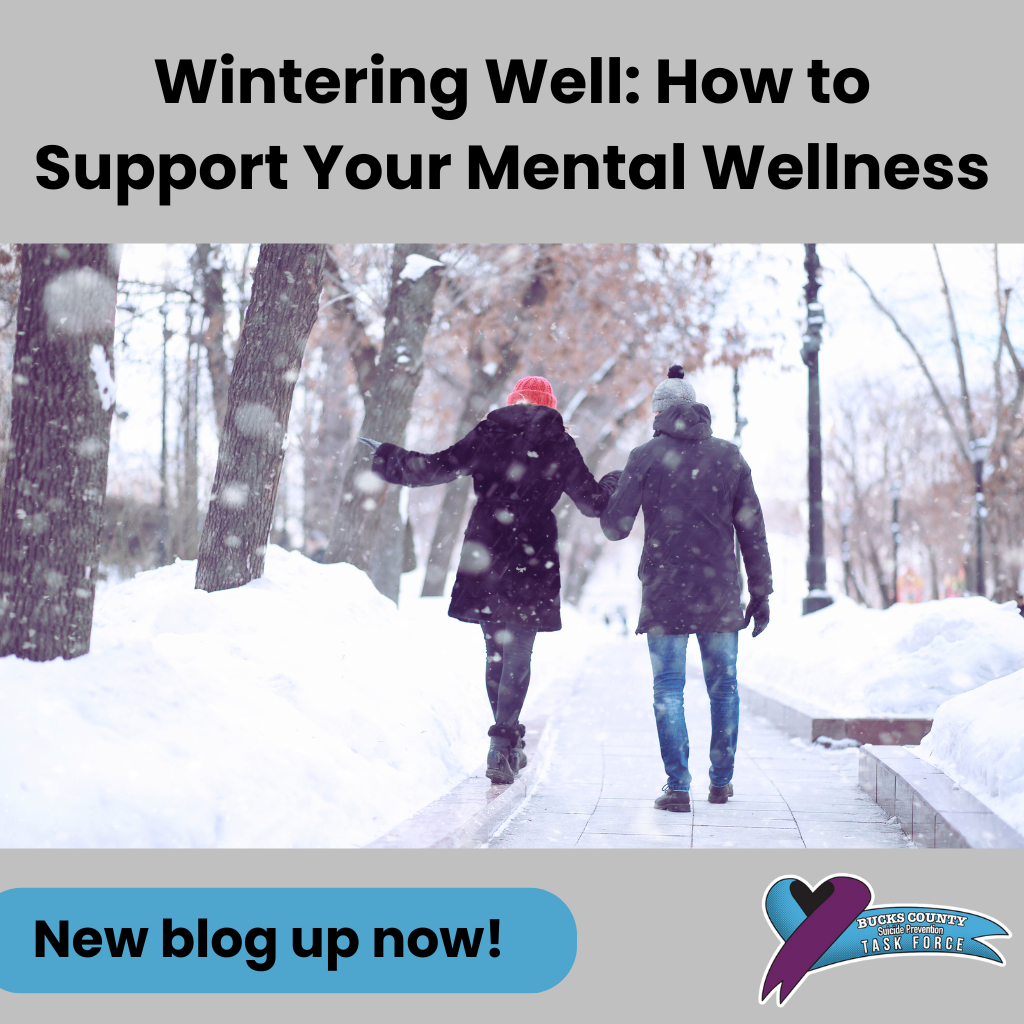
As the days grow shorter and temperatures drop, many people experience a shift—not just in their routines, but in their mood, energy, and overall mental well-being. Winter has a way of slowing us down, narrowing our world, and drawing us inward. For some, this seasonal shift feels cozy and reflective. For others, the cold, dark months can bring fatigue, loneliness, irritability, and emotional heaviness. Whether you face seasonal affective disorder (SAD), mild winter blues, or simply the weight of cold months, there are ways to “winter well.”
“Wintering well” doesn’t mean forcing constant cheerfulness or pretending this time of year is easy. It means supporting your emotional health with intention, gentleness, and strategies that work with the season, not against it. It’s about giving yourself permission to slow down when necessary while still creating small moments of light, connection, and care. Here are meaningful ways to support your mental wellness through winter and emerge in spring feeling steadier, grounded, and more resilient.
- Acknowledge What This Season Brings … And Give Yourself Permission to Feel It
Many people fight winter emotionally, trying to push past fatigue or frustration. But acknowledging that the season impacts your mental state is not weakness, it’s awareness. The shorter days affect your circadian rhythm. Reduced sunlight can lower serotonin levels. Cold weather limits outdoor activity and social connection.
Start by naming what you’re experiencing. Are you more tired? Less motivated? Feeling isolated? More sensitive? Accepting these shifts without judgment allows you to respond with compassion instead of pressure. Winter invites slowing down; embracing that rhythm can actually reduce stress.
- Increase Your Exposure to Light
Light is not just symbolic; it’s physiological medicine during winter. Even brief exposure to natural light boosts mood and energy, especially when sunlight is scarce.
Try incorporating simple habits:
- Step outside for 5–10 minutes within the first hour of waking
- Sit near a bright window when drinking coffee or working
- Keep curtains open and maximize daylight in your living space
- Consider a light therapy lamp (with guidance from a healthcare provider)
These small shifts help regulate your internal clock and lift your mood throughout the colder months.
- Maintain Social Connections … Even When You Don’t Feel Like It
Winter often leads to social hibernation, which can intensify feelings of loneliness. Connection doesn’t require draining commitments or large gatherings because even small, intentional interactions can make a big difference.
Try:
- Weekly check-ins with a close friend
- A warm beverage date (virtual or in person)
- Joining an interest group, book club, or winter class
- Volunteering, which naturally boosts well-being through service
Remember: you don’t need to feel fully energized to reach out as connection often creates the energy you’re missing.
- Create Gentle Movement Rituals
Physical activity is one of the most effective ways to support mental health, but winter can make exercise feel daunting. Instead of aiming for intense routines, shift your focus to gentle movement that honors your body without overwhelming it.
You might try:
- Short, cozy indoor yoga or stretching sessions
- Five-minute movement breaks every hour
- Winter walks bundled in warm layers
- Dance sessions to your favorite music
- Light strength or mobility exercises
Even 10 minutes of movement can release endorphins, reduce stress, and warm your body and mind.
- Cultivate a Winter Sanctuary in Your Home
Environment shapes mood profoundly, especially when you spend more time indoors. Creating a warm, calming winter sanctuary can help transform your home from a place you endure into a place that restores you.
Consider:
- Soft lighting, warm bulbs, string lights, or candles
- Textures like blankets, wool socks, or cozy seating
- Seasonal scents like pine, cinnamon, or vanilla
- A dedicated “rest space” for reading, journaling, or quiet
Small comforts add up. When your home feels nurturing, your mind feels safer to unwind.
- Lean Into Rest … And Redefine Productivity
Winter is a time of conservation in nature, yet many of us expect constant energy and creativity. Instead of pushing yourself to maintain summer-level productivity, redefine what “productive” means for the season.
Ask yourself:
- What can I simplify right now?
- What routines or commitments can I soften?
- Where can I give myself grace?
Rest isn’t laziness, it’s biological alignment. Winter offers a natural pause that can restore your emotional reserves if you allow it.
- Practice Mindfulness and Emotional Grounding
When the season feels heavy, grounding practices can help keep your mind steady and your emotions supported. These don’t have to be complicated or time-consuming.
Try incorporating:
- Deep breathing exercises when you feel anxious
- Guided winter meditations
- Mindful moments during routine tasks
- A daily gratitude check-in
- Journaling to process feelings and track changes
Mindfulness cultivates calm, clarity, and the ability to respond gently to your emotions even on the toughest days.
- Add Small Joys and Seasonal Rituals
Winter can feel long, so sprinkle this time with intentional, uplifting rituals. These anchor your emotional rhythms and give you something to look forward to.
Some ideas:
- A weekly “comfort dinner”
- A winter reading list
- A monthly creative project
- A standing family game night
- A cozy movie marathon tradition
- Baking days or crafting days
Creating joy isn’t frivolous, it’s essential nourishment for mental wellness.
- Seek Professional Support When Needed
If your winter blues become persistent, overwhelming, or impact everyday functioning, reaching out for help is an act of courage and self-care. Therapists, counselors, and support groups provide tools and strategies tailored to your mental health needs.
You’re not meant to navigate difficult seasons alone. Keep in mind that support is strength.
Wintering Well Is About Gentle Strength
The cold, dark months offer an invitation: slow down, soften, and care for yourself with greater intention. Wintering well means recognizing your emotional needs, honoring your energy, protecting your peace, and seeking light—both literal and metaphorical—wherever you can find it.
Winter may be long, but it also holds quiet opportunities for reflection, resilience, and renewal. With compassionate strategies and intentional care, you can support your mental wellness and emerge into spring feeling stronger, steadier, and deeply grounded.
If you are looking for additional mental health support for yourself or a loved one, you can contact the National Suicide & Crisis Lifeline 24/7 at 988 Text. Find more local resources on our website at https://holdonyoumatter.com/suicide-prevention-resources/.